Introduction
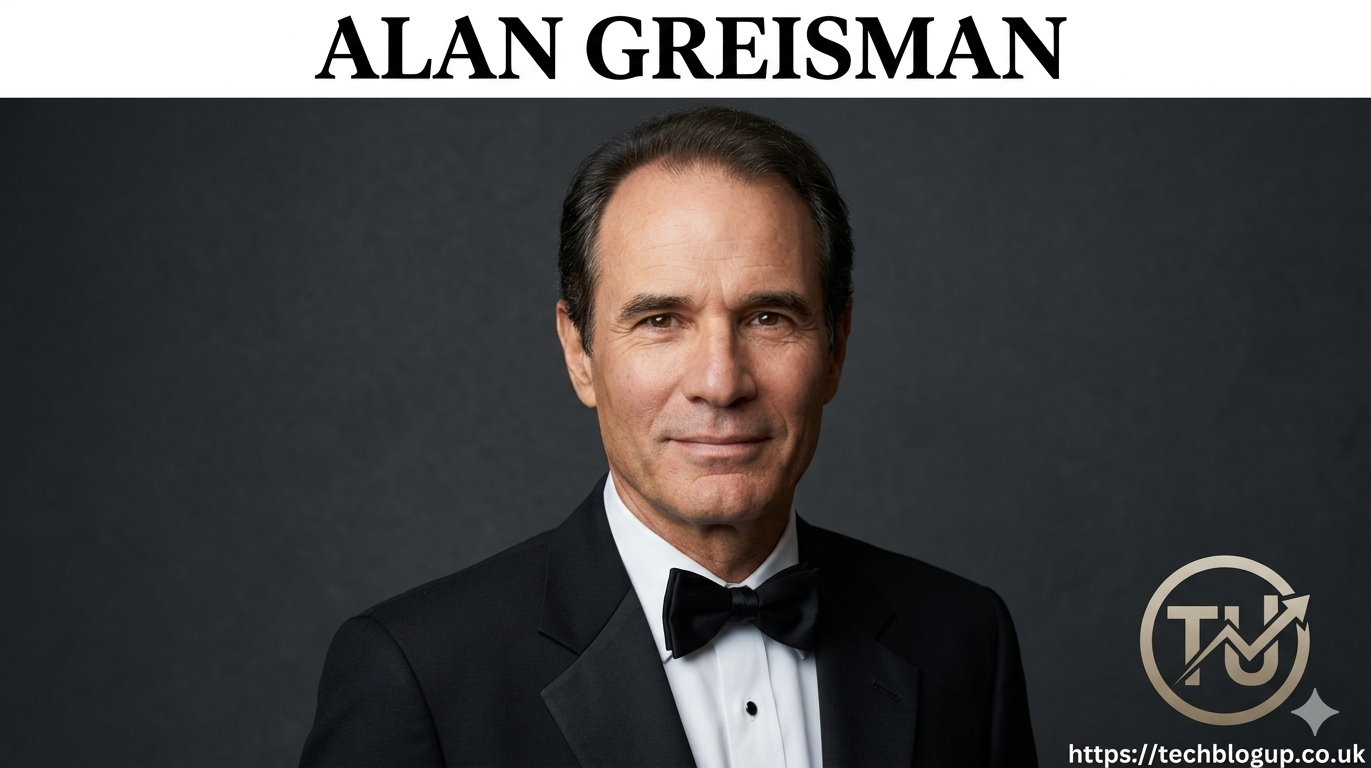
Alan Greisman is an American film producer and production manager whose work spans several decades in Hollywood. Though not a household name like the actors he works with, Greisman has played a significant role behind the scenes in bringing a wide variety of films to life. He is recognized for his ability to manage complex productions, coordinate creative teams, and ensure that the vision of directors and writers is translated effectively onto the screen. His career reflects a dedication to craft, versatility, and a deep understanding of the collaborative nature of filmmaking. Beyond his professional achievements, Greisman has been known in the public eye for his past marriage to Academy Award-winning actress Sally Field, though his own accomplishments in film stand independently as a testament to his skill and commitment.
Early Life and Background
Alan Stewart Greisman was born on September 4, 1947, in New York City, USA. Growing up in a city renowned for its cultural richness, Greisman developed an early appreciation for the arts, storytelling, and performance. Details about his early education are limited, reflecting his preference for privacy, but it is clear that he cultivated a strong interest in the mechanics of film and production from a young age. The creative environment of New York, combined with a disciplined work ethic, prepared him for the challenges of the entertainment industry and provided a foundation for his future career as a producer and production manager.
Early Career in Hollywood
Greisman began his career in the late 1970s and early 1980s, working in production management and logistical coordination. His early work involved overseeing budgets, scheduling shoots, managing crews, and coordinating with directors and actors to ensure that productions ran smoothly. These roles required a high degree of organization, problem-solving, and communication — skills that Greisman honed during this period and that would become hallmarks of his professional style. By establishing himself as reliable and capable in production management, he gained the trust of directors, studios, and collaborators, allowing him to take on increasingly complex and high-profile projects.
Breakthrough as a Producer
Greisman’s breakthrough as a film producer came with the 1985 comedy “Fletch”, starring Chevy Chase. The film was both commercially successful and critically well-received, helping establish his reputation as a producer capable of delivering profitable and entertaining projects. Following this success, Greisman expanded his portfolio to include a mix of comedies, dramas, and character-driven narratives, demonstrating versatility and an ability to adapt to different genres.
His work in the late 1980s and early 1990s included films such as “Night, Mother” (1986) and “Soapdish” (1991), which reflected both dramatic depth and comedic timing. Through these projects, Greisman earned recognition for his ability to balance creative vision with the practical realities of production, ensuring that films were completed on schedule and within budget while maintaining artistic integrity.
Notable Filmography
Alan Greisman’s career spans decades and encompasses a variety of films, many of which remain culturally significant. Some of his notable productions include:
-
Fletch (1985): A comedy that launched his reputation as a skilled producer.
-
Night, Mother (1986): A drama focusing on complex character relationships.
-
Soapdish (1991): A satirical take on the world of daytime television.
-
Mr. Jones (1993): A drama that demonstrated his versatility beyond comedy.
-
The Bucket List (2007): A widely recognized film exploring themes of life, friendship, and mortality.
-
Flipped (2010): A coming-of-age story that highlighted his ability to produce emotionally engaging narratives.
-
The Magic of Belle Isle (2012) and And So It Goes (2014): Mature dramas that reflected his skill in handling character-focused storytelling.
-
Freud’s Last Session (2023): A more recent project featuring Anthony Hopkins, showcasing his continued relevance in the industry.
Across these films, Greisman has consistently demonstrated a focus on storytelling, character, and collaboration, proving that producers play a critical role in shaping successful cinema.
Production Style and Approach
Greisman is known for a production style that emphasizes collaboration, efficiency, and problem-solving. He balances the creative needs of directors and writers with the logistical and financial realities of filmmaking. His approach ensures that actors, crew members, and creative teams can perform at their best, while projects remain on track. Colleagues often describe him as a producer who listens carefully, anticipates challenges, and facilitates solutions, creating an environment conducive to both artistic and commercial success.
Marriage to Sally Field
Alan Greisman was married to Academy Award-winning actress Sally Field from December 1984 to June 1994. The marriage, which produced one son, Samuel Greisman, brought him a degree of public attention, though he maintained a relatively private personal life. The union was marked by mutual respect and discretion, reflecting Greisman’s preference to keep personal matters out of the public spotlight. Despite the end of their marriage, both continued to maintain professional focus, with Greisman advancing his career in film production and Field continuing her acting career.
Later Career and Professional Longevity
Even after his marriage ended, Greisman continued to work steadily in Hollywood, producing and managing a range of projects well into the 2010s. He remained focused on creating films that balanced commercial appeal with narrative depth, often supporting directors and writers in bringing character-driven stories to life. His longevity in the industry reflects not only his competence but also his adaptability to changing trends, technologies, and audience preferences.
Greisman’s later projects, such as The Magic of Belle Isle, And So It Goes, and Freud’s Last Session, demonstrate his continued ability to handle complex productions and collaborate with high-profile talent, maintaining relevance across decades in a competitive industry.
Legacy in Film
Alan Greisman’s legacy lies in his sustained contribution to filmmaking behind the scenes. His work demonstrates the critical role of producers in balancing creative vision, budgetary constraints, and logistical challenges. Films like Fletch and The Bucket List continue to resonate with audiences, while his influence on production processes has shaped how modern Hollywood manages ensemble casts and complex narratives.
Greisman’s career exemplifies the importance of reliability, insight, and collaboration in film production. While actors and directors often receive the spotlight, Greisman’s work underscores how skilled producers are essential to transforming scripts into successful films that reach audiences worldwide.
Conclusion
Alan Greisman is a veteran producer whose work has quietly but meaningfully shaped Hollywood for decades. From his early successes with comedies like Fletch to later dramas and character-driven narratives, he has demonstrated skill, perseverance, and adaptability. His marriage to Sally Field brought him brief public attention, but his career achievements stand independently as a testament to his expertise and dedication.
Greisman’s influence extends beyond any single film, highlighting the vital role producers play in orchestrating complex productions, managing creative teams, and bringing compelling stories to the screen. His story is a reflection of the power of consistency, professionalism, and a deep understanding of the art and business of filmmaking.